GPU Choice for Local AI vs the Alternatives: What to Know
An honest GPU Choice for Local AI assessment — real strengths, genuine limits, and how alternatives compare before you commit. · 5 min read
TikDown Editorial · Published on October 10, 2026
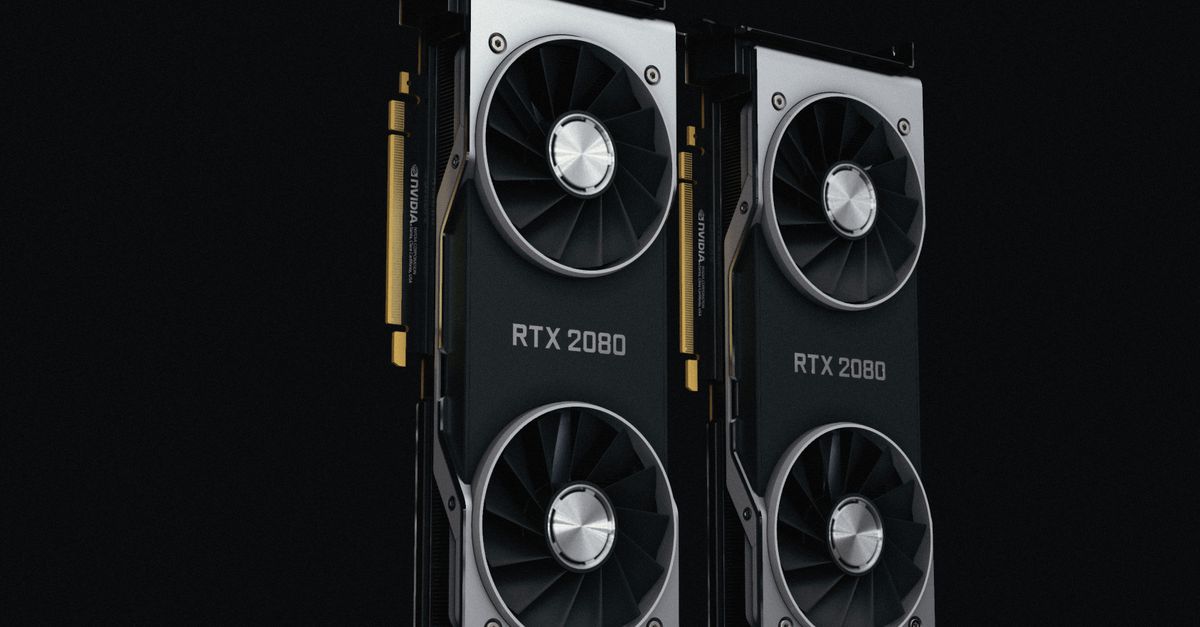
GPU Choice for Local AI has moved from experimental curiosity to a practical part of how modern teams work. NVIDIA versus AMD through the lens of VRAM, drivers and model support. Understanding where it fits — and where it does not — is the first step toward using it well. This article breaks the topic down without hype, so you can decide what genuinely deserves a place in your workflow.
There is a lot of confident advice about GPU Choice for Local AI and very little of it agrees. NVIDIA versus AMD through the lens of VRAM, drivers and model support. Rather than add another hot take, this article sticks to what is verifiable: how it works, where it helps, where it fails, and the habits that make the difference between success and frustration.
Where GPU Choice for Local AI shines — and where it does not
The economics of GPU Choice for Local AI are worth understanding early. NVIDIA versus AMD through the lens of VRAM, drivers and model support. Costs usually scale with usage, attention, or both, which means small experiments are cheap and thoughtless rollouts are expensive. Start narrow, measure something concrete, and only expand what survives contact with your real workload.
Most confusion around GPU Choice for Local AI comes from mixing up three different questions: what the technology can do, what it reliably does, and what it should be trusted to do unsupervised. NVIDIA versus AMD through the lens of VRAM, drivers and model support. Keep those questions separate and nearly every decision gets easier — which use cases to try first, how much oversight to keep, and when to walk away.
• Prefer boring, repeatable workflows over clever one-off tricks that break silently.
• Document what works: prompts, settings, and checklists your future self will thank you for.
• Keep a human in the loop for anything published, shipped, or sent to customers.
How to evaluate GPU Choice for Local AI fairly
Failure modes are predictable once you know where to look. NVIDIA versus AMD through the lens of VRAM, drivers and model support. Vague goals produce vague results, edge cases surface exactly when stakes are highest, and silent degradation creeps in when nobody owns quality. Name an owner for output quality, schedule periodic audits, and keep a log of failures so patterns become visible before they become expensive.
Scaling GPU Choice for Local AI is mostly about removing bottlenecks one at a time. NVIDIA versus AMD through the lens of VRAM, drivers and model support. First the skill bottleneck, solved with templates and examples. Then the review bottleneck, solved with checklists and sampling. Then the cost bottleneck, solved by reserving the heavy machinery for the work that actually needs it. Each stage unlocks the next.
A fair evaluation process
1. Define one concrete outcome in a single sentence, including how you will recognize success when you see it.
2. Gather three good examples of the result you want — quality inputs are half the battle.
3. Run a small pilot on real work, not toy data, and time how long each attempt takes.
4. Review every output against your criteria for the first two weeks, and write down each failure pattern.
5. Lock in what works as a template or checklist, then expand to the next use case.
The unglamorous secret: ninety percent of good results come from clear goals, good examples, and consistent review — the tool itself is rarely the differentiator.
The 2026 outlook: what to watch
The most durable bet is on fundamentals that survive every hype cycle. NVIDIA versus AMD through the lens of VRAM, drivers and model support. Clear writing, critical review, measurement, and domain expertise appreciate in value no matter which specific tool wins. Spend most of your learning budget there and treat individual tools as interchangeable.
Expect consolidation as well as progress. NVIDIA versus AMD through the lens of VRAM, drivers and model support. Dozens of overlapping options will collapse into a few defaults, switching costs will fall, and the premium will move toward integration and reliability rather than raw capability. Choose tools you can leave easily, and invest your learning in transferable skills. Innovation rewards the patient: breakthroughs that look sudden usually rode a decade of quiet engineering first.
Key takeaways
• Inputs decide outputs: invest in goals, examples, and constraints.
• Measure a baseline so improvement is a fact, not a feeling.
• Keep human review on anything that reaches customers or production.
• Scale only what survives a two-week trial on real work.
The bottom line on GPU Choice for Local AI is refreshingly simple. NVIDIA versus AMD through the lens of VRAM, drivers and model support. Understand the fundamentals, start small, review rigorously, and scale what works. The technology will keep improving on its own; your job is to build the judgment and process that turn capability into results.
Who benefits most from GPU Choice for Local AI
Three groups gain disproportionately. Solo operators get leverage that used to require a team: one person can now research, draft, and polish at a pace that once needed three hires. Small teams close the gap with larger competitors by automating the repetitive middle of their work while keeping senior judgment where it matters. And specialists deepen their edge — experts with strong taste get dramatically more output from the same hours, because they can direct and correct faster than anyone else. If you recognize yourself in any of these, the return on a focused trial is strongly in your favor.